HESACORE Tour Grip
Ergonomic grid structure that spreads pressure peaks – great for tennis elbow.
- medium
- dry
- not perforated
The cheapest upgrade with the biggest effect: a fresh overgrip costs a few euros and decides whether the racket stays in your hand.

Ergonomic grid structure that spreads pressure peaks – great for tennis elbow.

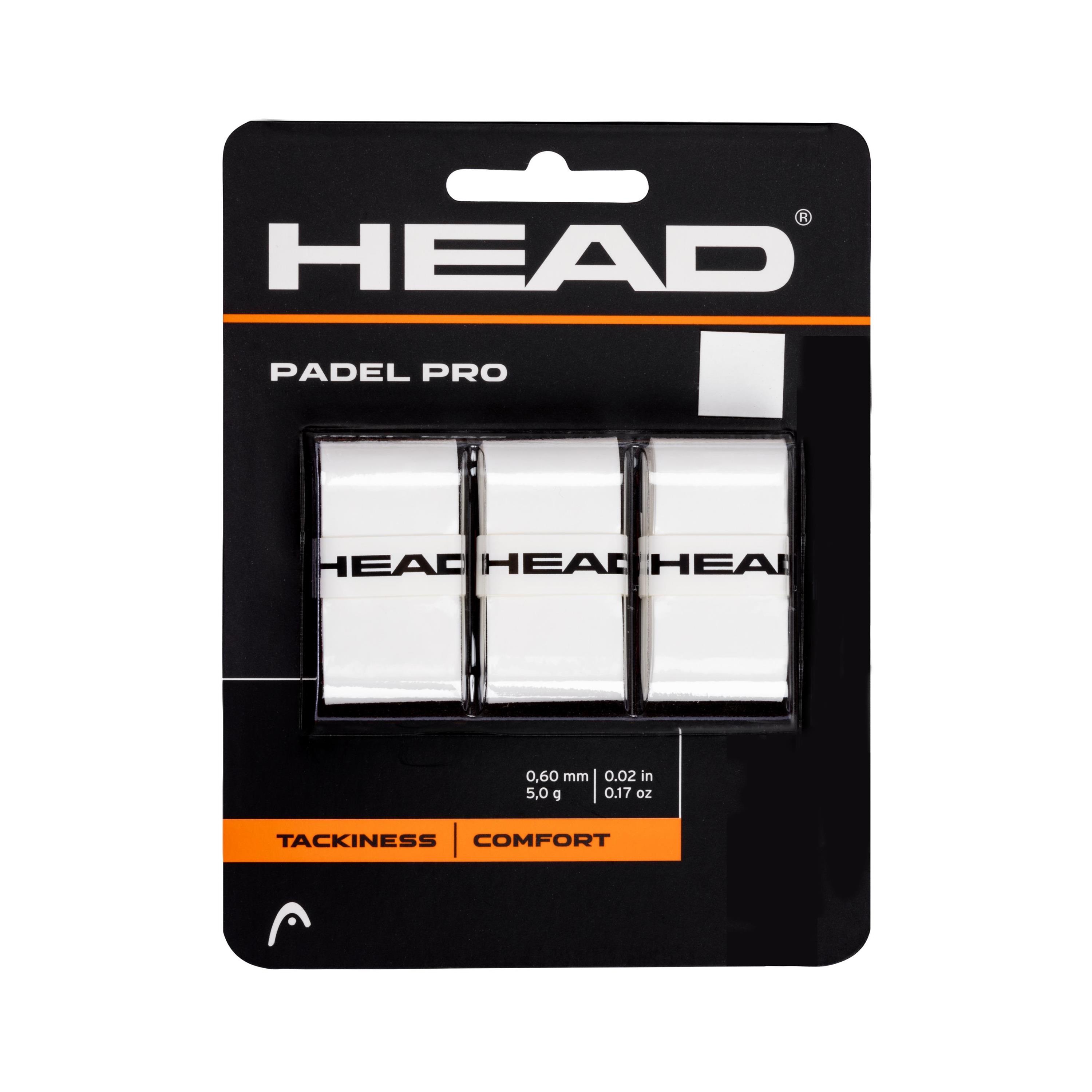
The standard in pro padel – tacky, perforated, cheapest in multipacks.

Thin classic for maximum feel – for anyone who wants to feel the handle directly.

Soft and cushioned – the comfort pick for sensitive hands.


Smooth overgrip in a 3-pack – the cheapest way in on the comparison.


0.60 mm thin overgrip with a soft feel and a lightly tacky surface.

0.60 mm thin overgrip with a soft feel and a lightly tacky surface.

Sticky classic in a mixed 3-pack, 0.55 mm thin.


Soft XtremeSoft base with an embossed groove pattern for extra hold.

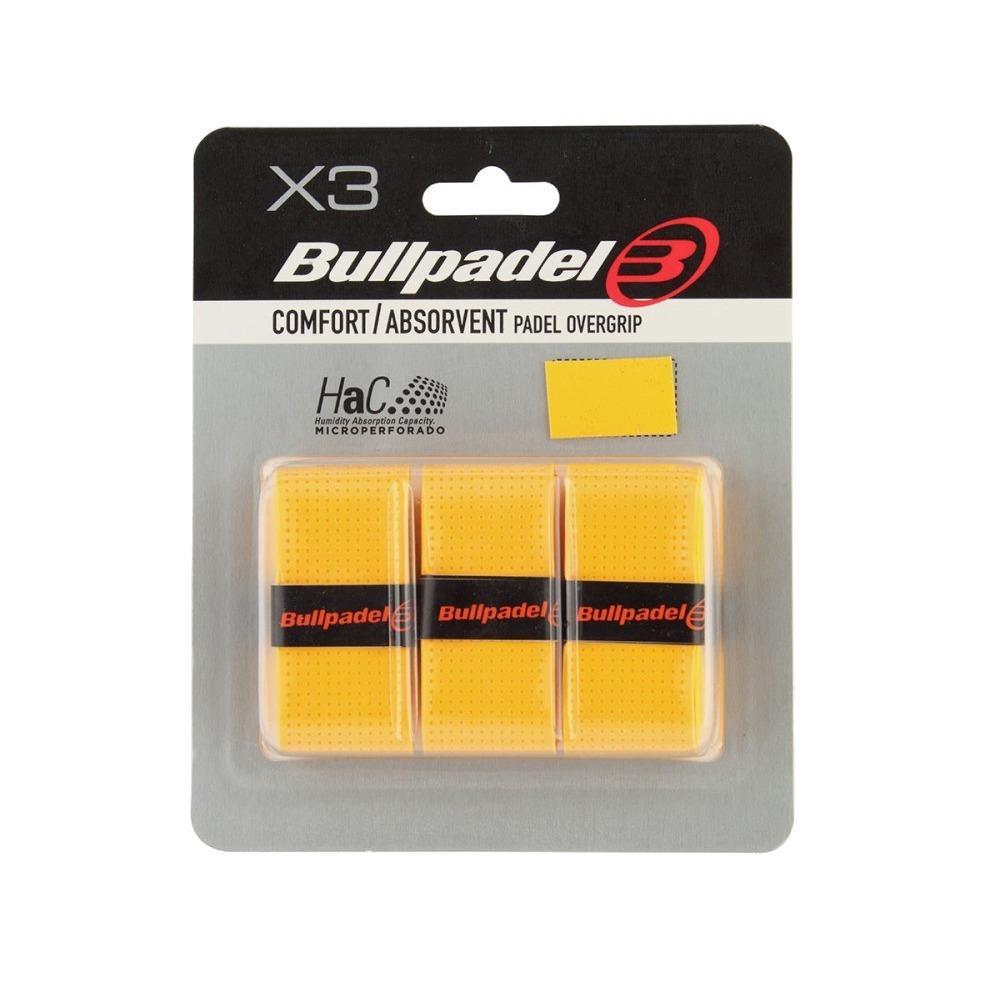
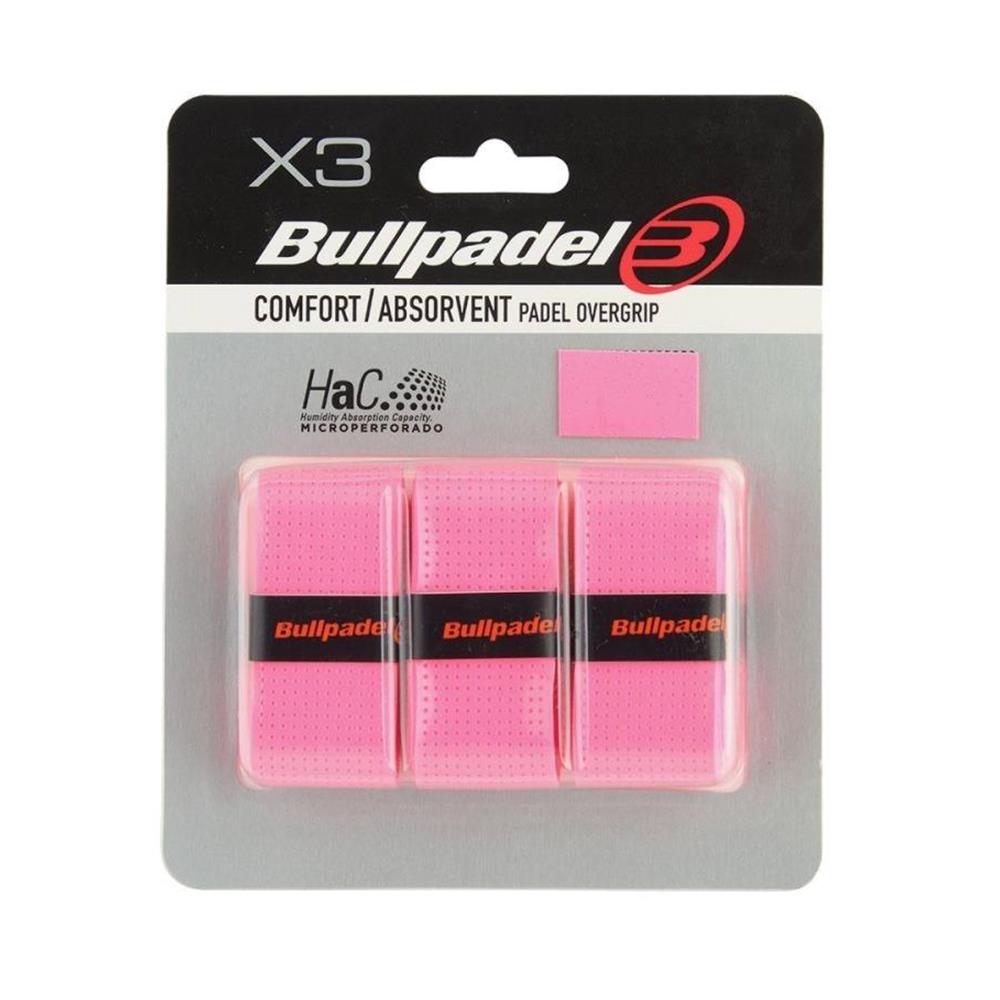
Thin and highly absorbent – Bullpadel's answer to sweaty hands.


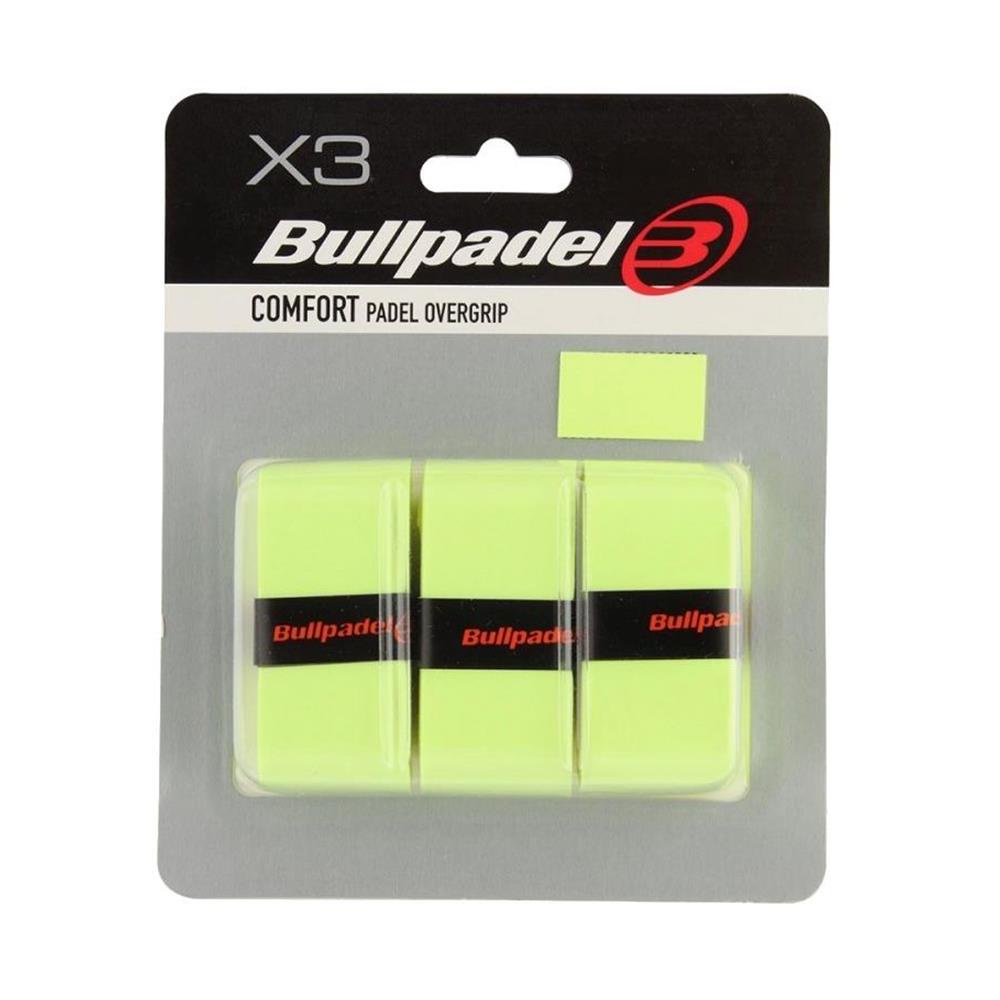
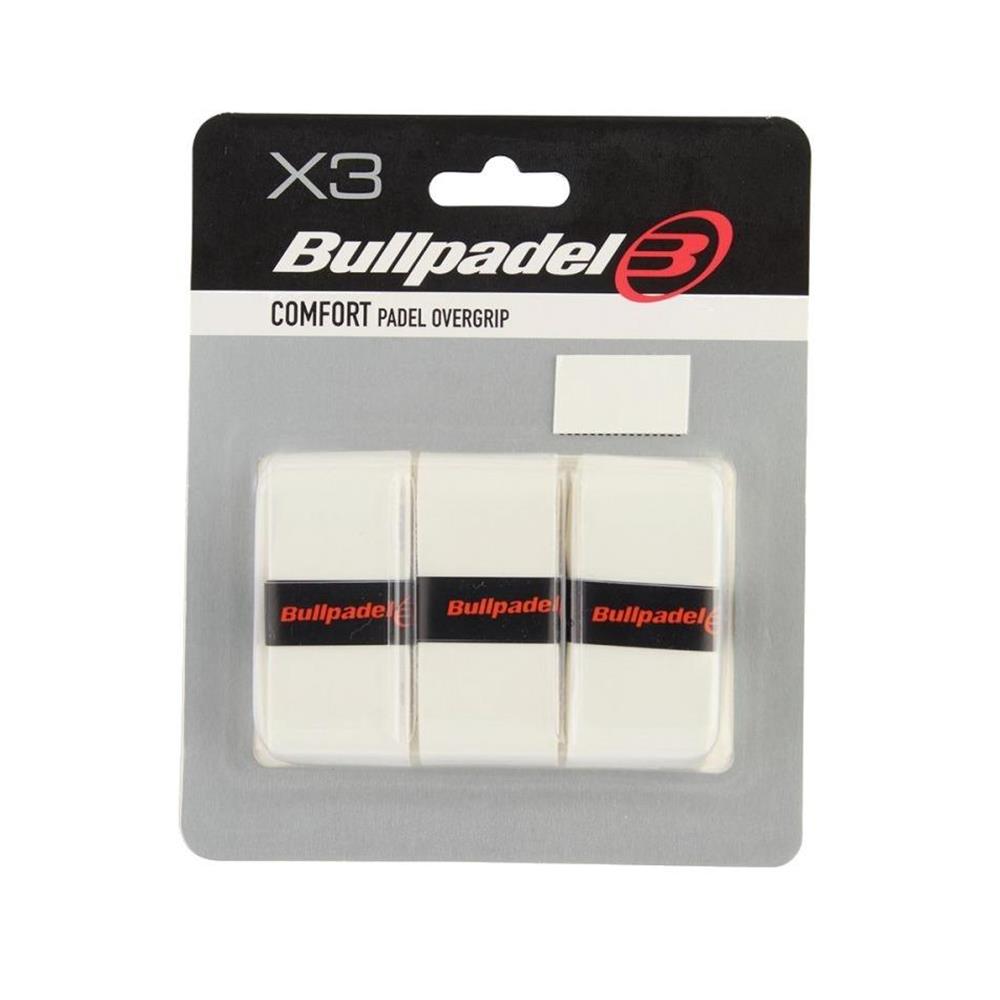
Smooth overgrip in a 3-pack to refresh the feel of your grip.

Smooth overgrip in a 3-pack, colour version in pink.

Adidas perforated standard overgrip – tacky and cheap in the 3-pack.


71 items found
Affiliate links (ads). We only compare partner shops – other shops may be cheaper.
Last updated: November 2026 · How we rate
The overgrip is the tape wrapped over the original grip. It has two jobs: giving you hold and absorbing sweat. Both wear off over time – if you play twice a week, change it roughly every four to six weeks. This isn't a detail for connoisseurs: a grip that has gone slippery forces you to hold on tighter, and that constant squeezing strains your forearm and elbow. If you've already had trouble with that, our guide Preventing tennis elbow in padel covers the other things you can adjust.
The most important decision is tacky or dry. Tacky grips are sticky by themselves and give instant hold – good for dry hands and cool indoor courts. Dry grips absorb moisture and only become really grippy when you sweat; in summer they're the better choice. Then there's thickness: a thin grip lets you feel more of the racket, a thicker one cushions and builds up the grip size a little. How the racket should sit in your hand in the first place is explained in Grip technique: the continental grip.
If you play twice a week, change it roughly every four to six weeks – at the latest when it feels slippery or the racket starts to turn in your hand.
Tacky (sticky) grips give instant hold and suit dry hands and cool indoor courts. Dry grips absorb moisture and only become really grippy when you sweat – the better choice in summer and for anyone who sweats a lot.
One. The overgrip goes over the original grip, not over a second overgrip – otherwise the handle gets thicker than intended and your hand can no longer wrap around it properly. If you want more girth, use a thicker grip.
Yes, it's the same product. Several classics in our comparison come from tennis. Only the length is worth checking: padel handles are shorter, so there's often a bit left over.
The best overgrip is little use on the wrong racket. Our Finder suggests the right model for you in a minute.
Start the Racket Finder →By player type & feature